GLP-1 Nutrition: How to Nourish Your Body While Losing Weight
A practical guide to protein, fibre, fluids, vitamins and minerals when a GLP-1 medicine reduces your appetite.
Published 30 September 2026 · Healthidia
The short answer
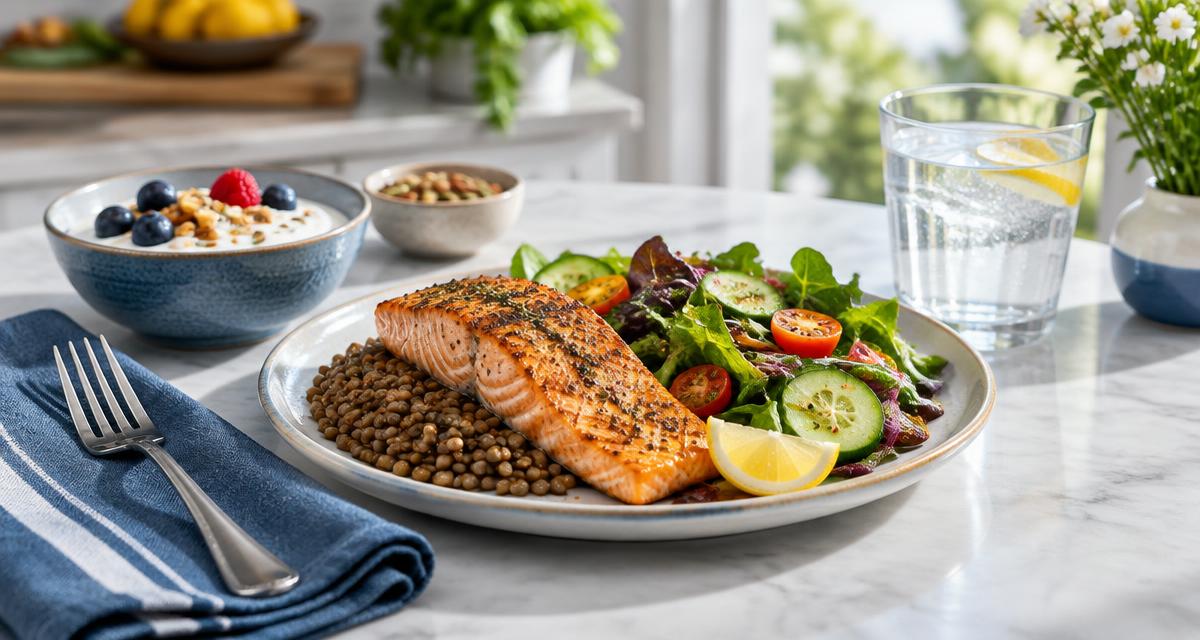
When a GLP-1 medicine reduces your appetite, the amount you eat may become smaller. That makes food quality more important, not less. Build meals around a useful protein source, add fibre-rich plants, drink regularly, and include enough variety to supply vitamins and minerals. Small, nourishing meals are often more realistic than trying to finish a large plate.
Why GLP-1 nutrition deserves attention
GLP-1 medicines can support weight loss by affecting appetite and slowing digestion. For some people, that means fewer meals, smaller portions, or less interest in food. Weight loss usually includes fat, but some lean tissue can also be lost. Current expert guidance therefore emphasizes nutritional quality, resistance activity, and ongoing attention to body composition rather than weight alone.
Research into the best nutrition strategy during GLP-1 treatment is still developing. A 2025 joint advisory in the American Journal of Clinical Nutrition highlights protein, nutrient-dense foods, hydration, physical activity, and management of gastrointestinal effects. The practical goal is not a perfect diet. It is to make the food you can comfortably eat work harder for you.
Four priorities for a smaller appetite
Use this table as a meal-planning prompt, not as a fixed prescription. Your personal needs can differ because of your body size, activity, health conditions, symptoms, and any instructions you already follow.
| Priority | Why it matters | Practical food examples |
|---|---|---|
| Protein | Supports normal muscle maintenance and repair. | Fish, eggs, chicken, yogurt, tofu, beans and lentils. |
| Fibre | Supports bowel regularity and makes meals more nourishing. | Vegetables, fruit, beans, oats and whole grains. |
| Fluids | Helps replace everyday fluid losses, especially when intake falls. | Water, soups and other suitable unsweetened drinks. |
| Vitamins and minerals | Variety helps cover nutrients that one narrow food pattern may miss. | Different-coloured vegetables, fruit, dairy or alternatives, nuts and seeds. |
Build a small meal in a useful order
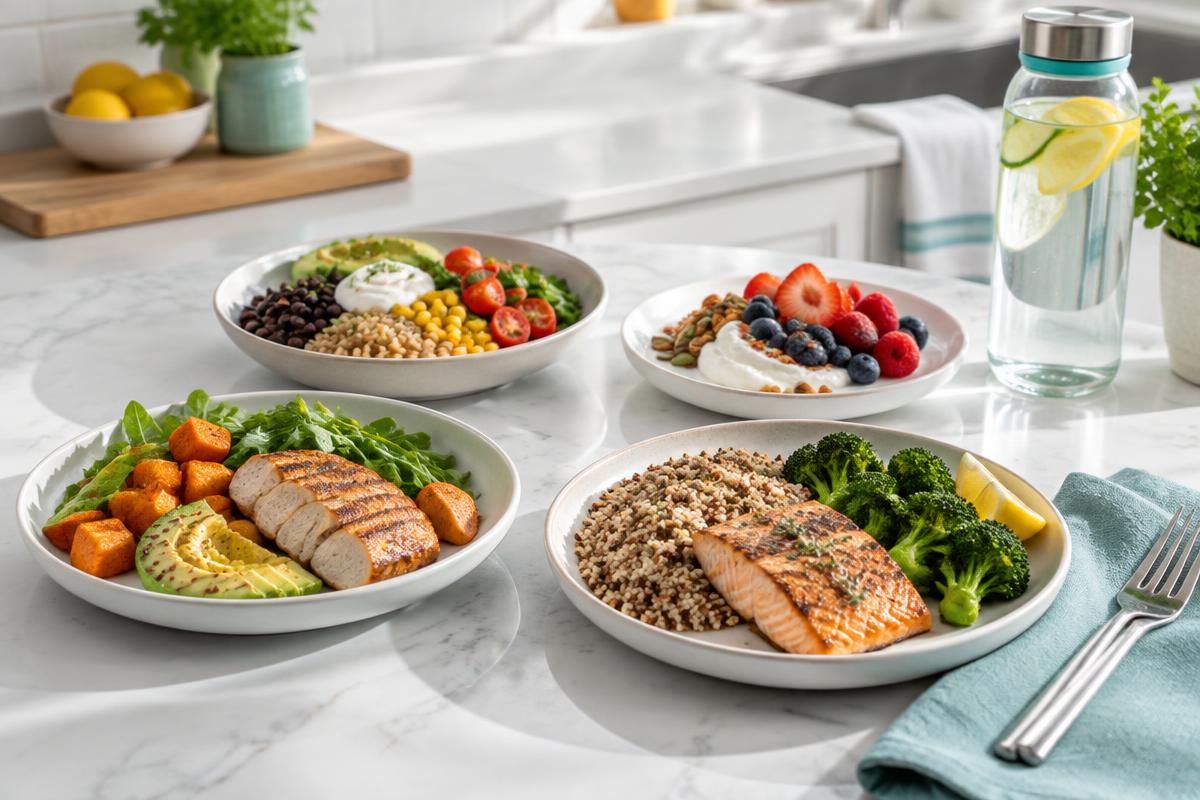
Start with the part you most want to finish. A simple pattern is: choose a protein food, add a modest amount of vegetables or fruit, include a fibre-rich carbohydrate if comfortable, and keep a drink nearby. You do not need to force a large meal. Dividing the same food across smaller eating occasions may feel easier.
- Choose the protein anchor: for example eggs, yogurt, fish, poultry, tofu or beans.
- Add colour and fibre with a vegetable, fruit or pulse you tolerate well.
- Add an energy food such as oats, rice, potatoes or whole-grain bread when it suits your plan.
- Sip fluids through the day instead of waiting until you feel very thirsty.
Adjust the format when symptoms change
Nausea, reflux, constipation, diarrhoea or early fullness can change what feels manageable. Plain foods, cooler meals, softer textures, smaller portions and slower eating may be easier for some people. Rich, greasy or very large meals may feel harder to tolerate. Change one thing at a time so you can notice what helps.
Do not use general food advice to change your medication or dose. Healthidia’s Safety & FAQs page explains the app’s self-managed boundaries and when symptoms need urgent attention.
Think beyond the number on the scale
Strength, everyday function, meal quality and hydration all matter alongside weight. Protein-containing meals and suitable resistance activity can support muscle health during weight loss, but no food plan can guarantee that lean mass will be preserved. Choose activity that is appropriate for you and follow any medical restrictions you have already been given.
Turn these principles into a personal routine
Healthidia-GLP 1 turns your profile, food preferences, allergies, symptoms and goals into a self-managed daily and weekly food plan. It brings together meals, ingredients, recipes, nutrition targets and a grocery list, then lets you record what you actually ate. Learn how Healthidia works, or compare the available plans and pricing.
Sources and further reading
Make every smaller meal count
Start your personalized, self-managed nutrition plan. No card is needed for the three-day free trial.